Business License

From concept to booth: How can 3D printing accelerate the model customization cycle?
From concept to booth: How can 3D printing accelerate the model customization cycle?
In today's manufacturing industry, 3D printing technology is rapidly changing the face of product design and production. This revolutionary technology not only reduces material waste, but also shortens product development cycles and improves production efficiency. This article will delve into how 3D printing can transform an abstract concept into an actual product and demonstrate how it significantly accelerates the model customization cycle.
Let's define what 3D printing is. 3D printing is an additive manufacturing technology that creates three-dimensional objects by stacking materials layer by layer. This technology enables designers to design parts of almost any shape and size without the need for traditional milling, casting, or forging processes.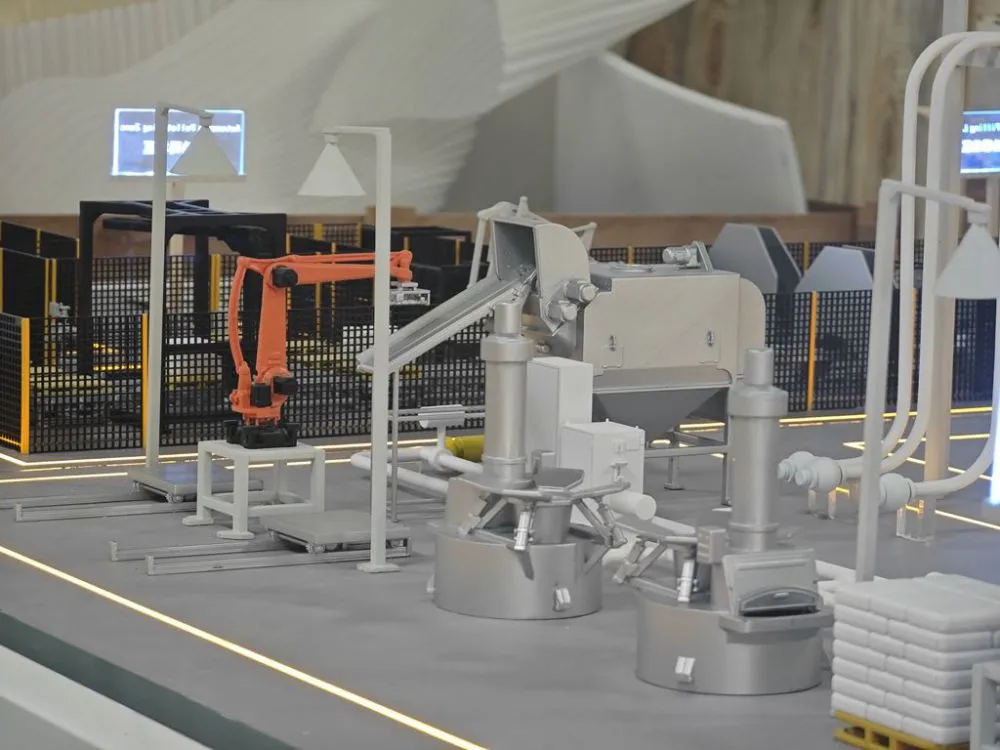
How does 3D printing achieve rapid customization? The answer lies in its flexibility and degree of automation. Designers can create complex models on computers, and 3D printers will print parts layer by layer according to the design file. This process does not require any tools or molds, thus greatly reducing the time and cost required for prototyping.
For example, suppose a car manufacturer wants to produce the body of a new electric vehicle. They may use 3D scanning technology to obtain precise data of vehicles, and then input this data into a 3D modeling software. Designers can freely modify their designs on this platform until they are satisfied. Once the design is finalized, the 3D printer will start working, printing each part of the car body layer by layer. The entire process may only take a few days, not months.
In addition to speed, 3D printing also brings many other advantages. For example, it allows designers to test and modify products before they are formed, thereby reducing the possibility of errors. In addition, 3D printing can also be used for personalized customization, meeting consumers' needs for uniqueness and personalization.
3D printing is not omnipotent. It also has some limitations, such as for complex structures or parts that require high precision, 3D printing may not be able to completely replace traditional manufacturing methods. However, with the continuous development of technology, these problems are gradually being solved.
3D printing technology is driving innovation in the manufacturing industry at an unprecedented speed. It can not only shorten the development cycle of products, but also provide more personalized and environmentally friendly solutions. With the continuous advancement of technology, we can expect more amazing ideas and products to emerge in the future.
Recently Posted
-
The fusion application of digital twin models
September 26, 2025The fusion application of digital twin modelsWith the rapid development of technology, the concept of the metaverse is gradually m Read More
 -
Essential for Carbon Neutrality Theme Exhibition: Green Energy Model Customization Guide
September 26, 2025Essential for Carbon Neutrality Theme Exhibition: Green Energy Model Customization GuideWith the increasingly severe global climat Read More
 -
How can industrial grade accuracy make models stand out at exhibitions?
September 26, 2025How can industrial grade accuracy make models stand out at exhibitions?In today's technology exhibitions, product display has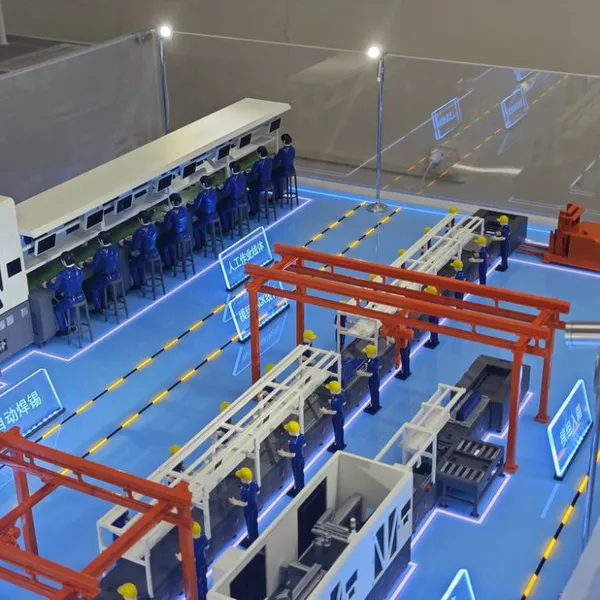 Read More
 -
Dynamic demonstration+intelligent interaction: make your booth model the focus
September 26, 2025Dynamic demonstration+intelligent interaction: make your booth model the focusIn today's era of information explosion, the abi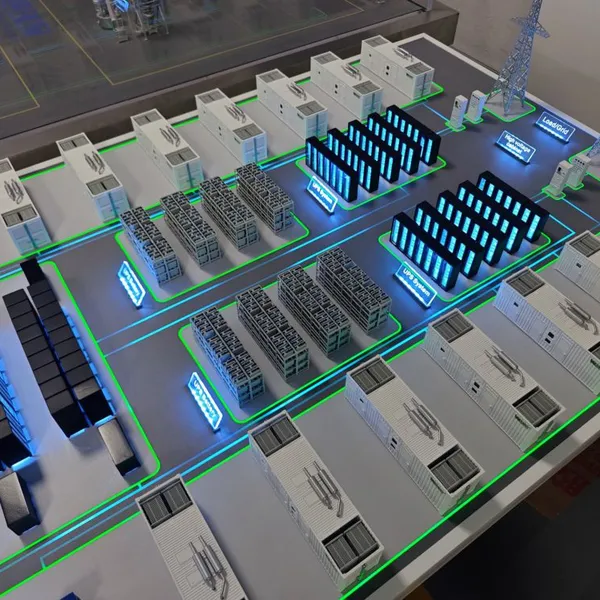 Read More

Contact Us
Recommended Products
-
 Customized Manufacturer of Sports Arena ModelsNegotiableMOQ: 1 Piece
 -
Manufacturer of Ancient Architectural ModelsNegotiableMOQ: 1 Piece
-
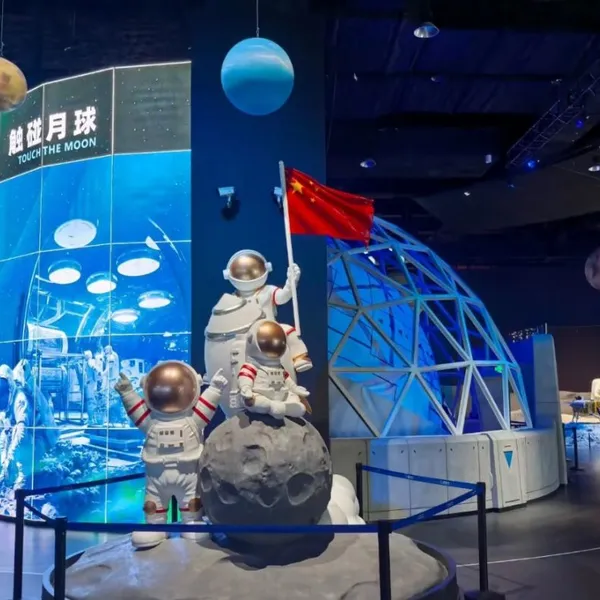
Aerospace Model Manufacturing FactoryNegotiableMOQ: 1 Piece
-
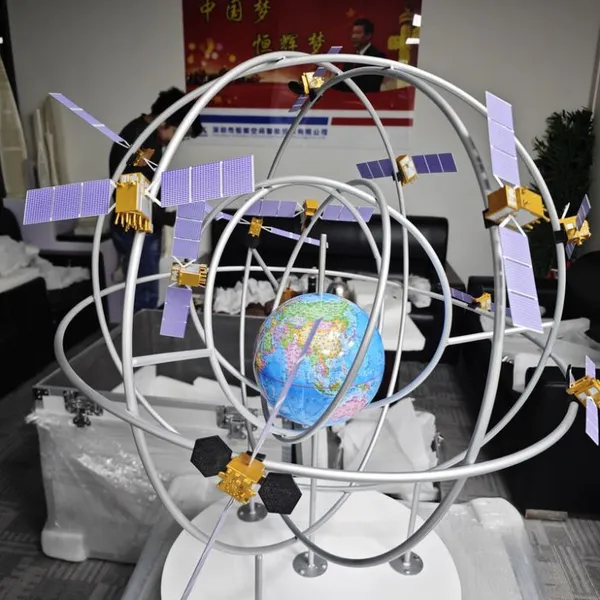
Satellite Model Manufacturing FactoryNegotiableMOQ: 1 Piece
-
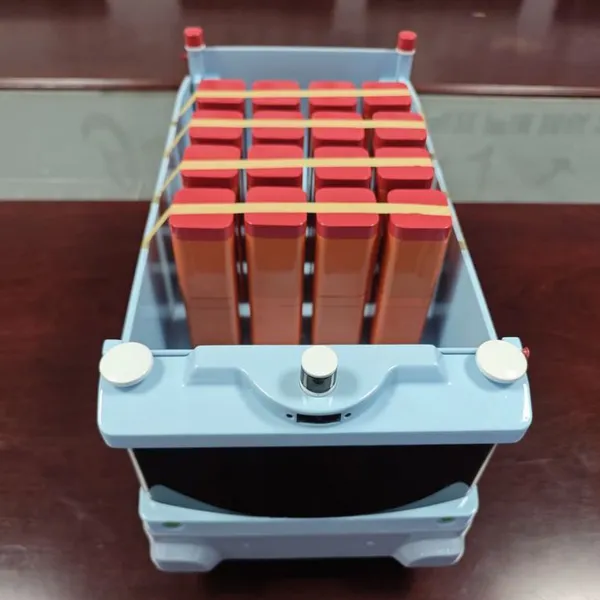
Small Emergency Vehicle Model ManufacturerNegotiableMOQ: 1 Piece
-
Train Gift Model ManufacturerNegotiableMOQ: 1 Piece
-
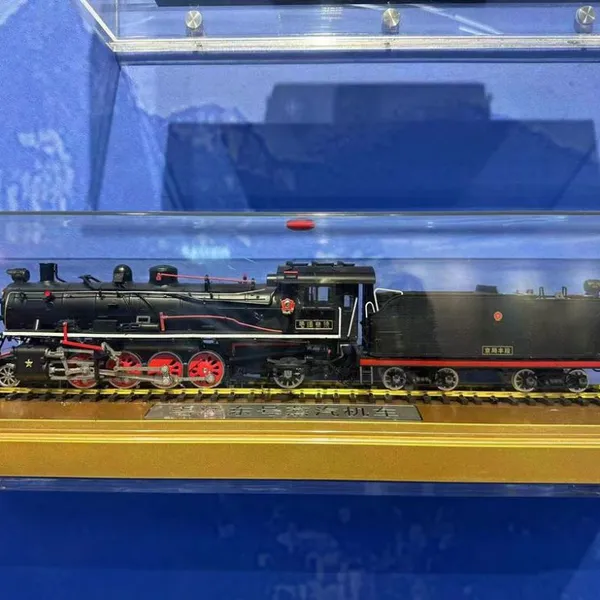
Retro Locomotive Model ManufacturerNegotiableMOQ: 1 Piece
-
Guangdong Racing Model ManufacturerNegotiableMOQ: 1 Piece
-
Small Batch Vehicle Display Model ManufacturerNegotiableMOQ: 1 Piece
-
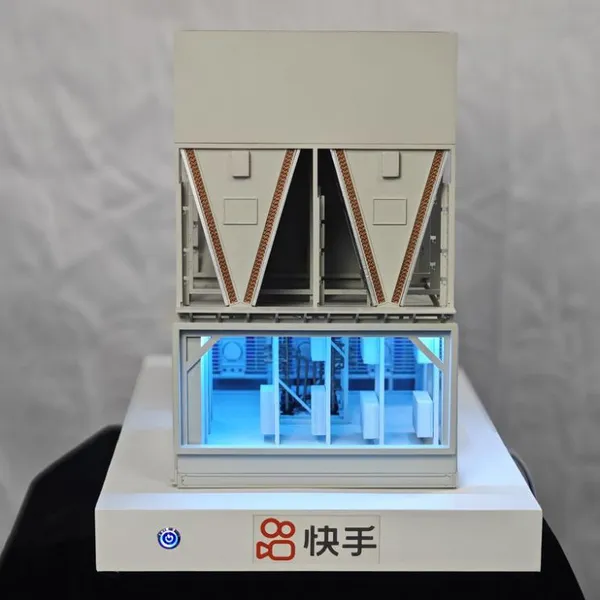
Manufacturer of Dynamic Energy Storage ModelNegotiableMOQ: 1 Piece
-
Customized Enterprise Energy Storage Model ManufacturerNegotiableMOQ: 1 Piece
-
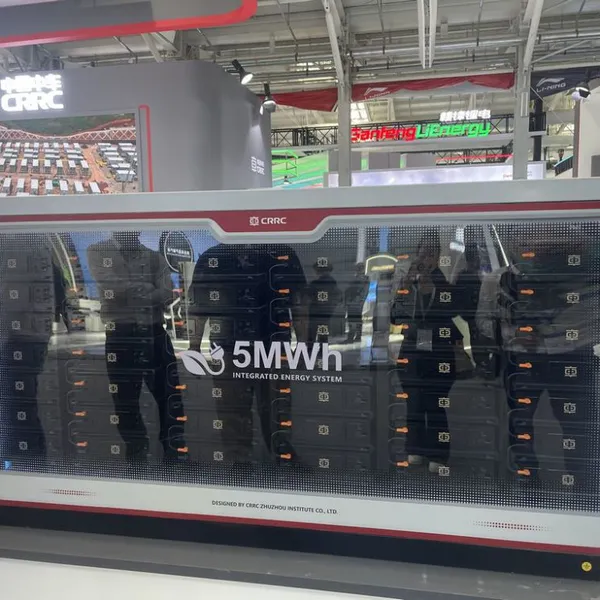
Manufacturer of Energy Storage Display ModelNegotiableMOQ: 1 Piece
-
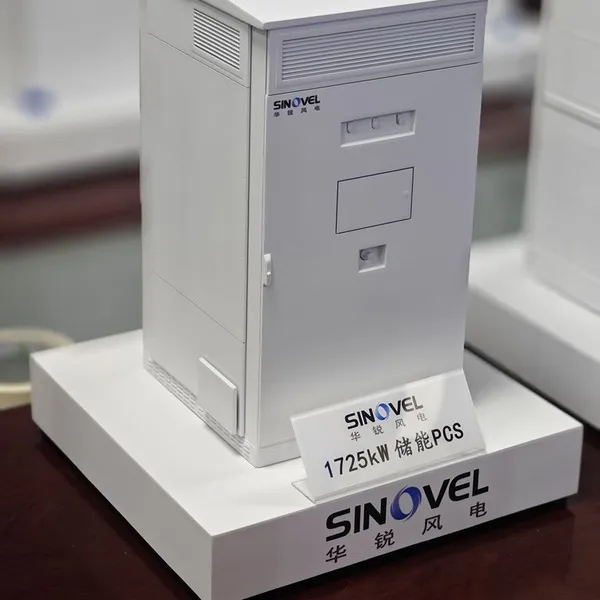
Portable Energy Storage Cabinet Model ManufacturerNegotiableMOQ: 1 Piece
-
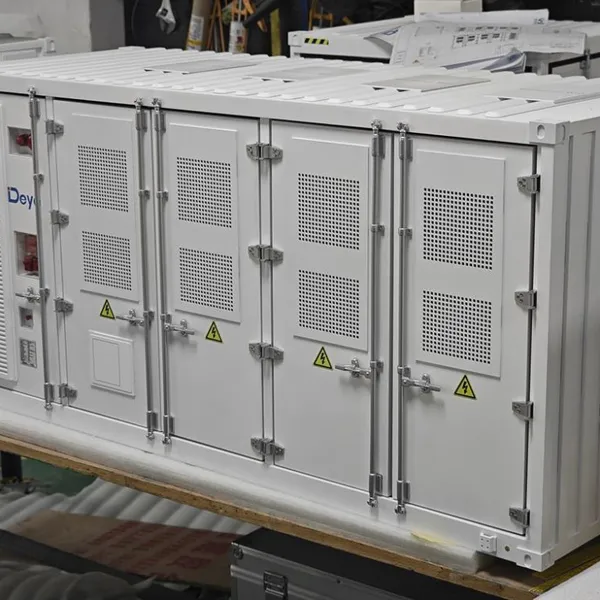
Manufacturer of Energy Storage Container ModelNegotiableMOQ: 1 Piece
-
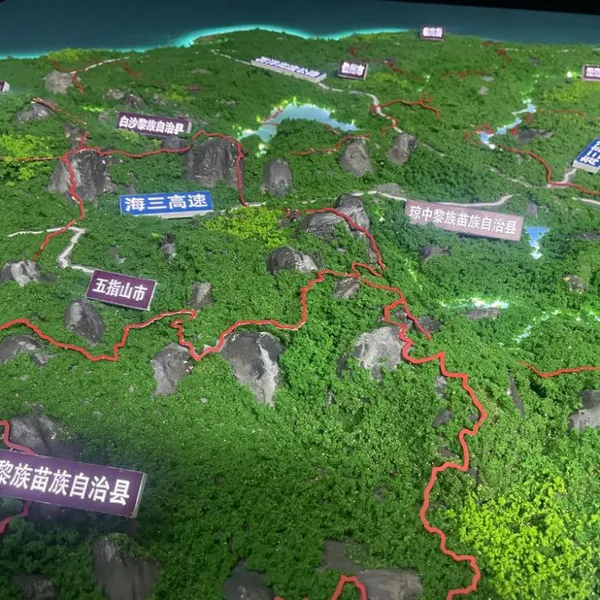
Manufacturer of Terrain and Landform Sand Table ModelsNegotiableMOQ: 1 Piece
-
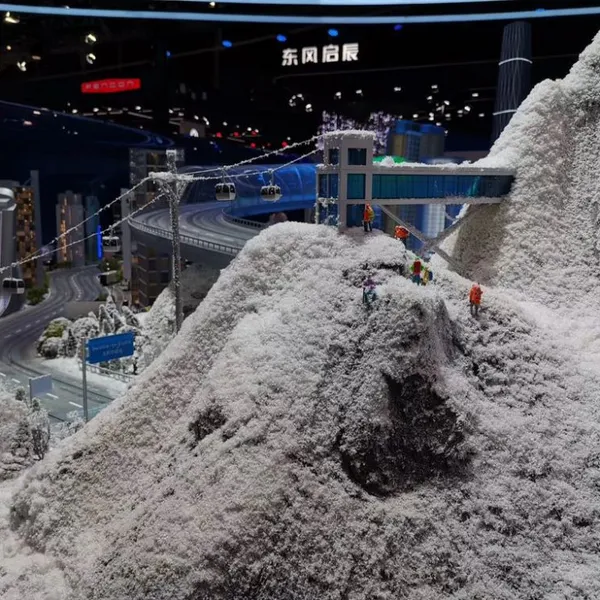
Ski Resort Sand Table Model ManufacturerNegotiableMOQ: 1 Piece
-
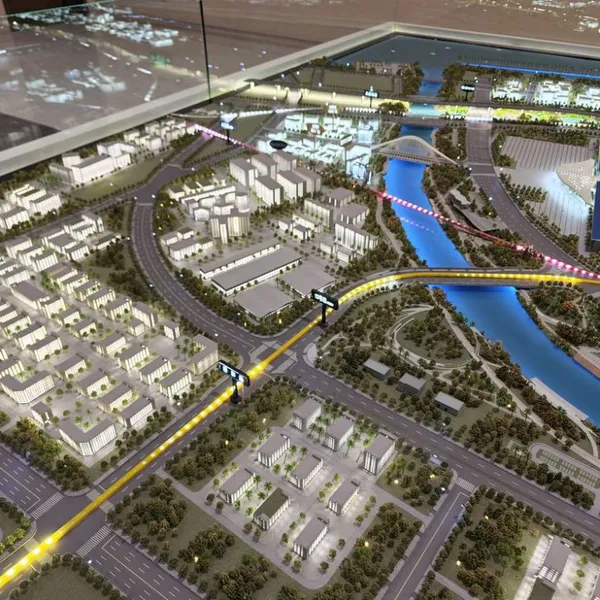
Manufacturer of Urban Regional Planning ModelNegotiableMOQ: 1 Piece
-
Heyuan Terrain Sand Table Model Customization FactoryNegotiableMOQ: 1 Piece
-
Customized Factory for Plateau Terrain Sand Table ModelNegotiableMOQ: 1 Piece
-
Custom Factory for Breeding Sand Table ModelNegotiableMOQ: 1 Piece