Business License

Lighting and Materials: The Secret to Making Models Shine at Exhibitions
Lighting and Materials: The Secret to Making Models Shine at Exhibitions
In today's fiercely competitive technology exhibitions, an attractive booth design is crucial. It not only needs to show the progressiveness and innovation of the product, but also let the audience be attracted and stop to watch at the first time. The key to making the model shine at the exhibition lies in the selection of lighting and the application of materials. This article will explore how to combine lighting and materials to make models shine at exhibitions.
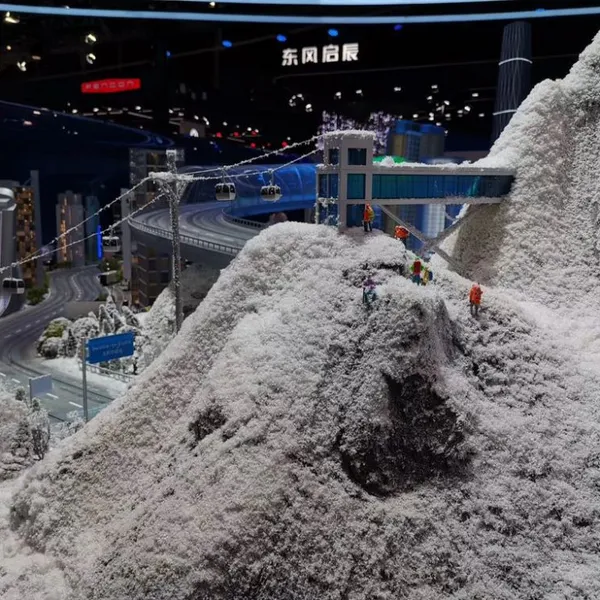
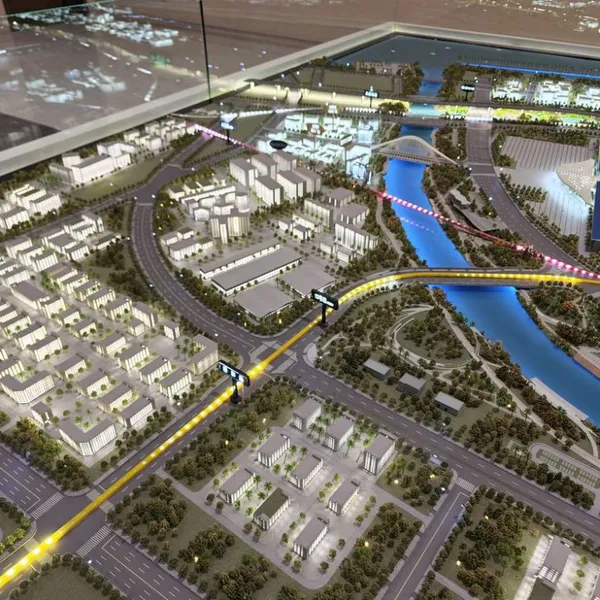
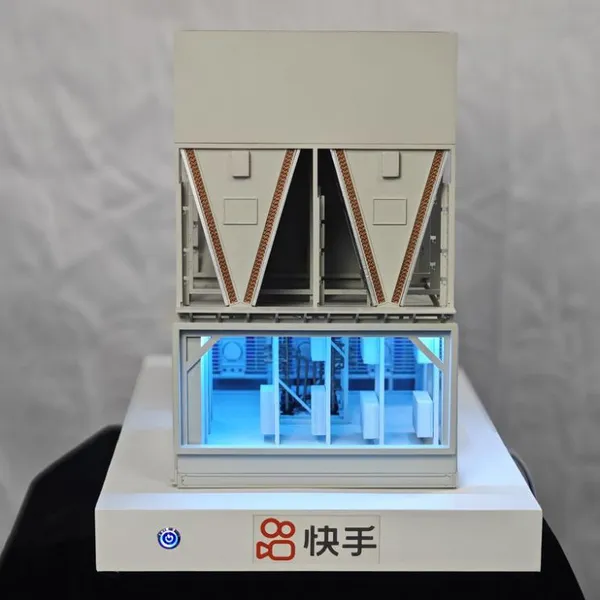
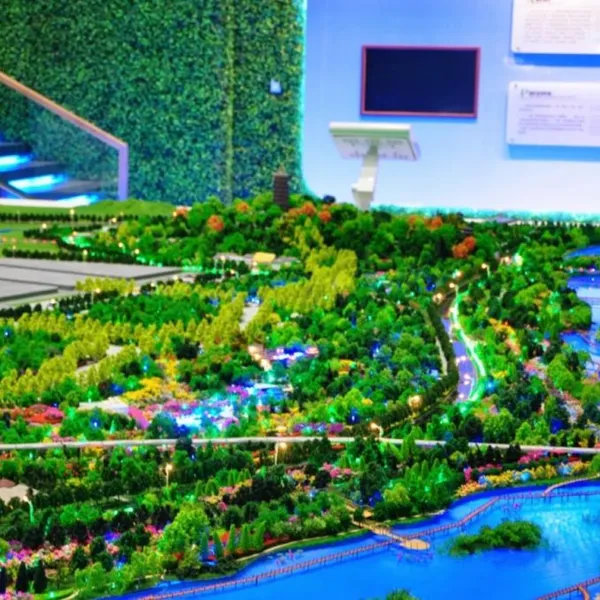
We need to understand the importance of lighting for models. Lighting can not only illuminate models, but also create different atmospheres and emotions through changes in parameters such as color and brightness. At exhibitions, the role of lighting is particularly important as it can instantly capture the audience's attention and generate their interest in the exhibits. Therefore, choosing appropriate lighting is crucial for enhancing the attractiveness of the model.
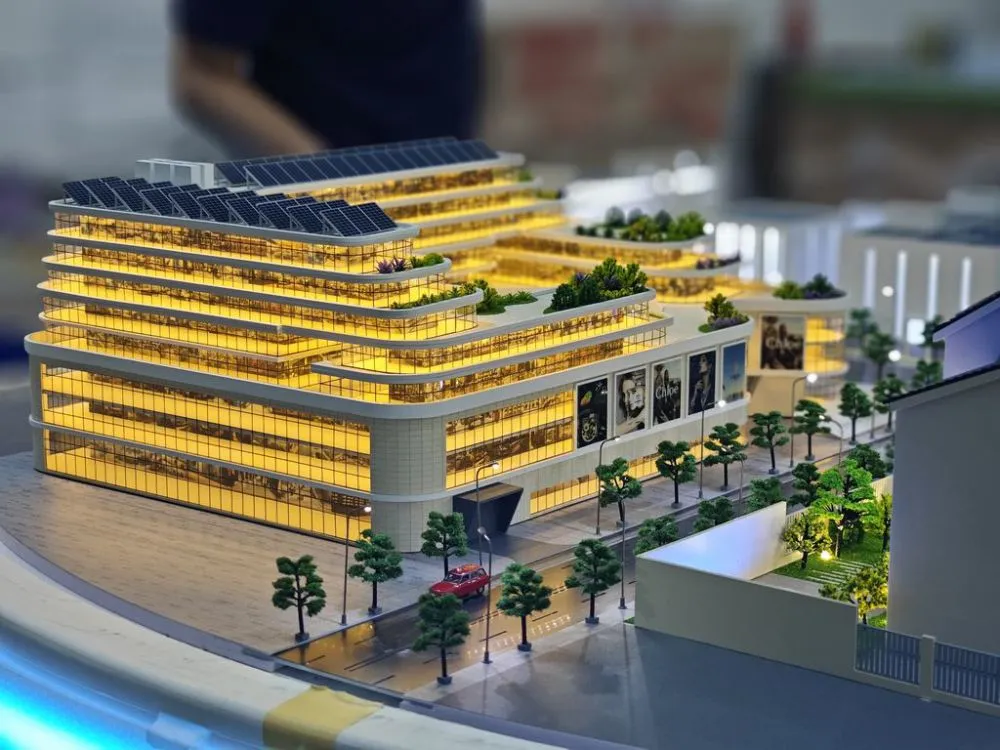
Material is also an important factor affecting the luminous effect of the model. Different materials have different translucency and reflectivity, which directly affects the propagation effect of light on the model. For example, acrylic material has good transparency and reflectivity, which can allow light to penetrate and reflect better, making the model brighter. Metal materials, on the other hand, have poor transparency and reflectivity, which may prevent light from penetrating and reflecting well, resulting in models appearing dull and lifeless. Therefore, when selecting materials, we need to fully consider their translucency and reflectivity to ensure that the model can fully showcase its charm.
In addition to lighting and materials, we can also improve the lighting effect of the model through other means. For example, we can use LED light strips or neon lights for decoration, which can emit soft and long-lasting light, adding more color and layering to the model. In addition, we can adjust the position and angle of the lights to better illuminate various parts of the model, ensuring that the entire model receives sufficient illumination.
At the exhibition, we also need to consider the needs and preferences of different audiences. Different audiences may have different preferences for lighting and materials, so we need to adjust our design according to their needs. For example, some viewers may prefer soft and warm lighting, while others may prefer strong and bright lighting. Therefore, we need to consider these factors when designing to ensure that our model can meet the needs of different audiences.
To make the model shine at the exhibition, we need to consider multiple factors such as lighting, materials, and audience needs comprehensively. Only through careful design and clever use can we create a booth that is both beautiful and practical, attracting more attention from the audience and leaving a deep impression.
Recently Posted
-
The fusion application of digital twin models
September 26, 2025The fusion application of digital twin modelsWith the rapid development of technology, the concept of the metaverse is gradually m Read More
 -
Essential for Carbon Neutrality Theme Exhibition: Green Energy Model Customization Guide
September 26, 2025Essential for Carbon Neutrality Theme Exhibition: Green Energy Model Customization GuideWith the increasingly severe global climat Read More
 -
How can industrial grade accuracy make models stand out at exhibitions?
September 26, 2025How can industrial grade accuracy make models stand out at exhibitions?In today's technology exhibitions, product display has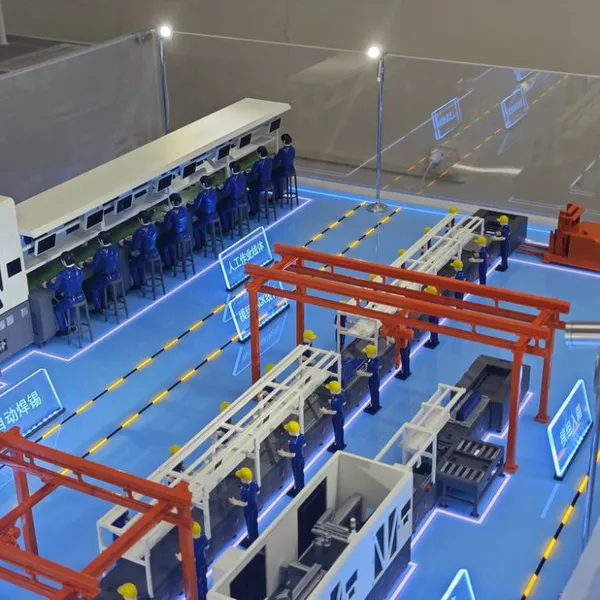 Read More
 -
Dynamic demonstration+intelligent interaction: make your booth model the focus
September 26, 2025Dynamic demonstration+intelligent interaction: make your booth model the focusIn today's era of information explosion, the abi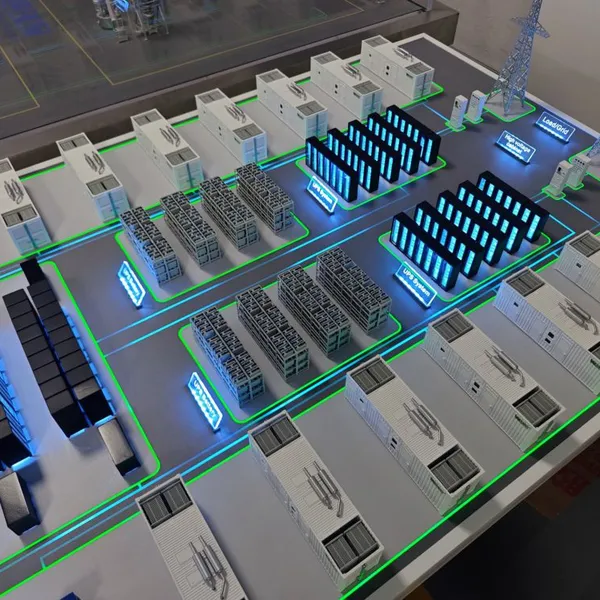 Read More

Contact Us
Recommended Products
-
 Customized Manufacturer of Sports Arena ModelsNegotiableMOQ: 1 Piece
 -
Manufacturer of Ancient Architectural ModelsNegotiableMOQ: 1 Piece
-
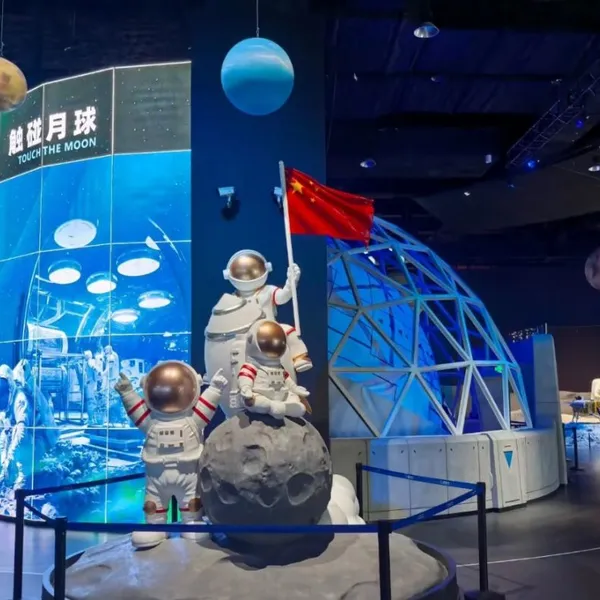
Aerospace Model Manufacturing FactoryNegotiableMOQ: 1 Piece
-
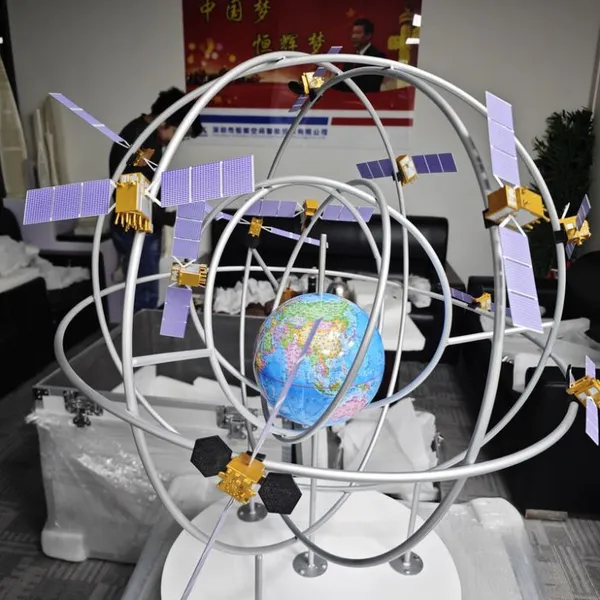
Satellite Model Manufacturing FactoryNegotiableMOQ: 1 Piece
-
Small Emergency Vehicle Model ManufacturerNegotiableMOQ: 1 Piece
-
Train Gift Model ManufacturerNegotiableMOQ: 1 Piece
-
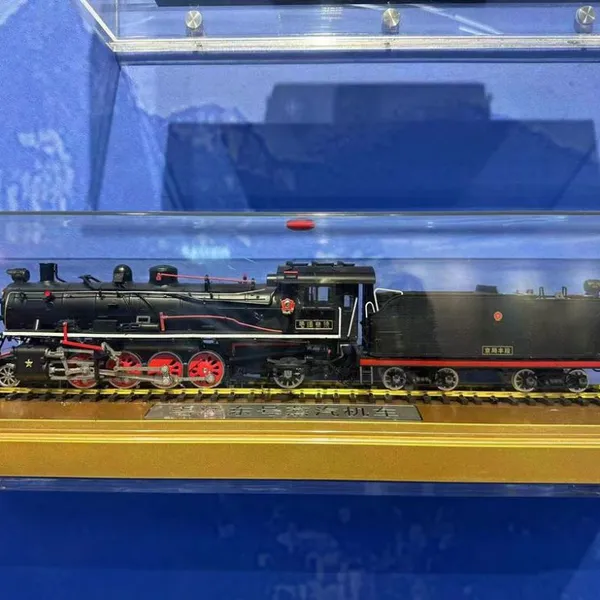
Retro Locomotive Model ManufacturerNegotiableMOQ: 1 Piece
-
Guangdong Racing Model ManufacturerNegotiableMOQ: 1 Piece
-
Small Batch Vehicle Display Model ManufacturerNegotiableMOQ: 1 Piece
-
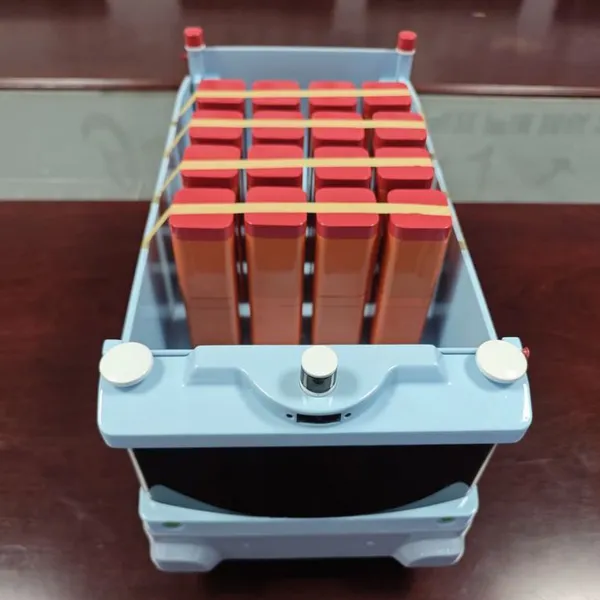
Manufacturer of Dynamic Energy Storage ModelNegotiableMOQ: 1 Piece
-
Customized Enterprise Energy Storage Model ManufacturerNegotiableMOQ: 1 Piece
-
Manufacturer of Energy Storage Display ModelNegotiableMOQ: 1 Piece
-
Portable Energy Storage Cabinet Model ManufacturerNegotiableMOQ: 1 Piece
-
Manufacturer of Energy Storage Container ModelNegotiableMOQ: 1 Piece
-
Manufacturer of Terrain and Landform Sand Table ModelsNegotiableMOQ: 1 Piece
-
Ski Resort Sand Table Model ManufacturerNegotiableMOQ: 1 Piece
-
Manufacturer of Urban Regional Planning ModelNegotiableMOQ: 1 Piece
-
Heyuan Terrain Sand Table Model Customization FactoryNegotiableMOQ: 1 Piece
-
Customized Factory for Plateau Terrain Sand Table ModelNegotiableMOQ: 1 Piece
-
Custom Factory for Breeding Sand Table ModelNegotiableMOQ: 1 Piece